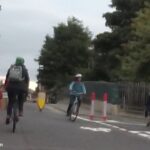
 Six months ago, Newcastle City Council changed the road layout on five bridges so that they could only be used by people walking, in wheelchairs, or on bikes/scooters. The Council's aim in doing so was to achieve safer residential streets by reducing motor vehicles speeding and to remove ‘through traffic’ from residential areas. Read more [...]
 Safe Newcastle Bridges
Six months ago, Newcastle City Council changed the road layout on five bridges so that they could only be used by people walking, in wheelchairs, or on bikes/scooters. The Council's aim in doing so was to achieve safer residential streets by reducing motor vehicles speeding and to remove ‘through traffic’ from residential areas. Read more [...] 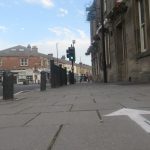 With Covid-19 cases rising again, and Government lock-down regulations further restricting how businesses operate, it is more important than ever that local streets support social distancing so that people feel safe and can confidently go out and use local shops and services. Updated government guidance (at 23/9/2020) also reconfirms the recommendation that for local journeys you should "walk or cycle if you can" to "reduce pressure on public transport and the road network."
The Council
With Covid-19 cases rising again, and Government lock-down regulations further restricting how businesses operate, it is more important than ever that local streets support social distancing so that people feel safe and can confidently go out and use local shops and services. Updated government guidance (at 23/9/2020) also reconfirms the recommendation that for local journeys you should "walk or cycle if you can" to "reduce pressure on public transport and the road network."
The Council 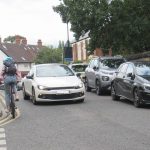 Newcastle City Council has announced plans, as part of its Covid-19 response, to close five local bridges to through traffic, so they can be used in safety by people who don't currently feel comfortable walking or cycling because of the volume of traffic.
 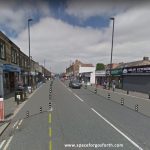 Newcastle City Council has published its plans to give more space to customers visiting Gosforth High Street, to allow remaining shops to open safely and comply with the Government's physical distancing rules.
  In our last blog we shared how city transport planners are responding to COVID-19. In this blog we look at how people in Gosforth are using streets differently because of the pandemic and what Newcastle City Council could implement quickly in the short term to support that.
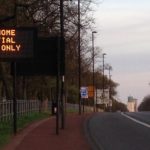 The Government and Council's initial response to COVID-19 has been, quite rightly, to ensure people are safe and well, protect jobs and critical services, and to minimise the spread of the virus. Already by mid-April 2020 the virus has killed thousands of people in the UK alone, and left unchecked would kill many many more.
  From Monday 23 March, the UK Government ordered all non-essential businesses to close to reduce the further spread of coronavirus. While most people will agree this is necessary, the potential consequences for businesses are significant. This is true both for businesses that have to close and those that can remain open but have to adapt quickly to new hygiene requirements.